
Supersonic Travel Returns: A New Era for Aerospace?
As I wrap up my 1-year EPQ dissertation on “To what extent is it feasible to reintroduce commercial supersonic air travel by the year 2040?”, a huge piece of industry news has just broken:
The U.S. government has officially lifted a 50-year ban on supersonic flight over land, a law which was first introduced in 1973.
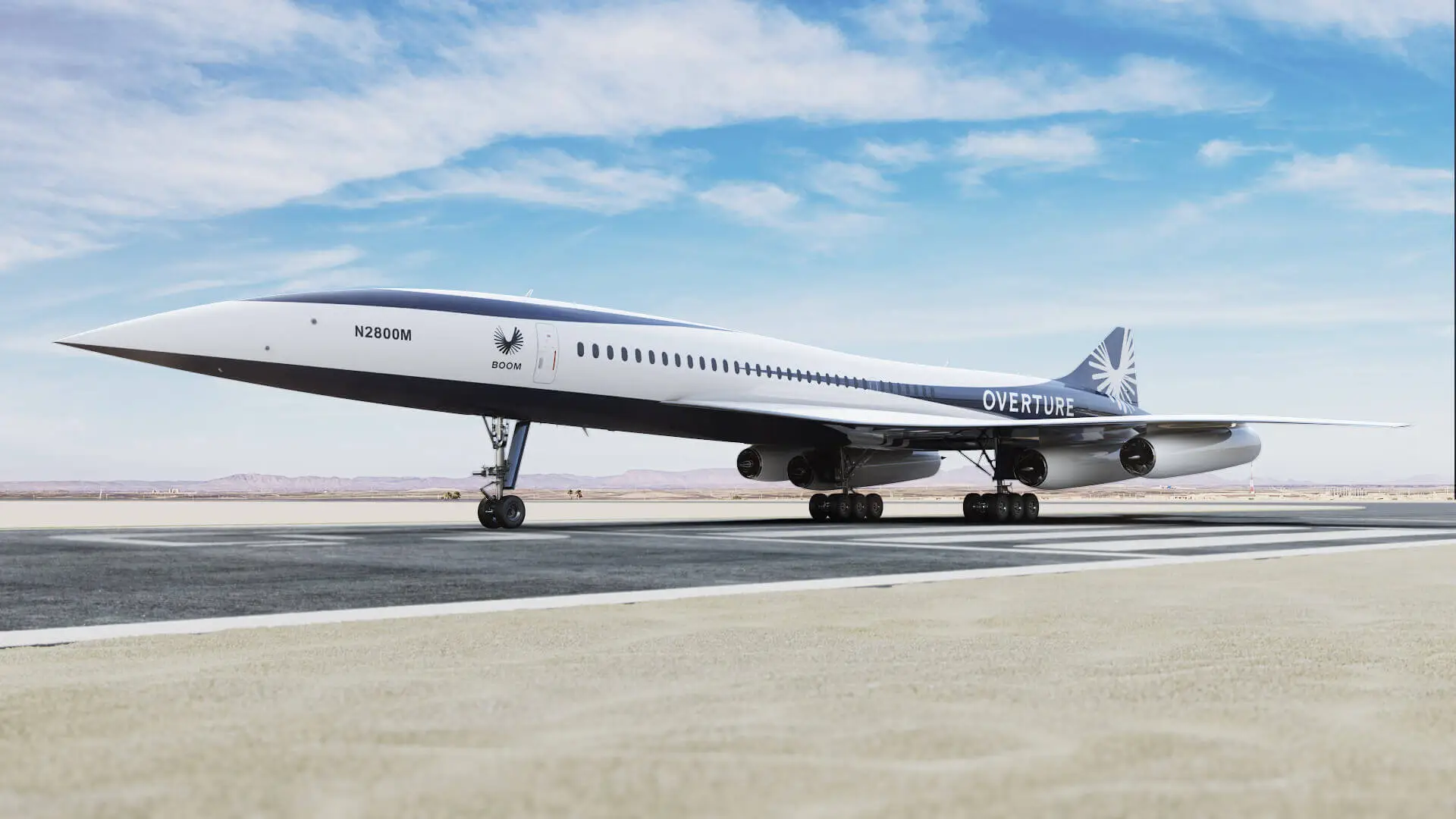
Under the Trump administration, this policy shift began with a push for innovation, and it has now paved the way for companies such as Boom Supersonic to move forward with testing and commercial development of their supersonic aircraft.
This is a massive milestone for aerospace engineers and fliers. Supersonic travel isn’t just a nostalgic dream of the Concorde era – it’s now a realistic goal being backed by policy, investment, and modern innovation.
As a student exploring the feasibility of reintroducing supersonic transport from an economic, political, financial, and sustainability perspective, seeing this kind of progress is genuinely exciting. It validates much of the research and forecasting explored throughout this project.
This is no longer science fiction. The sound barrier may be broken again – and this time, sustainably.